



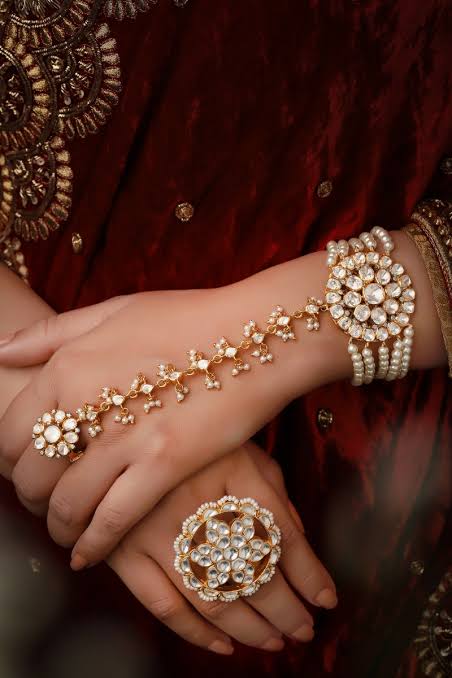

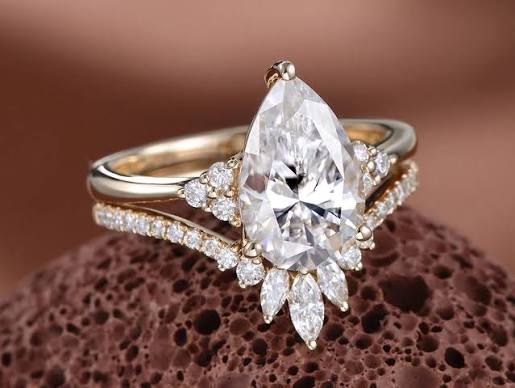

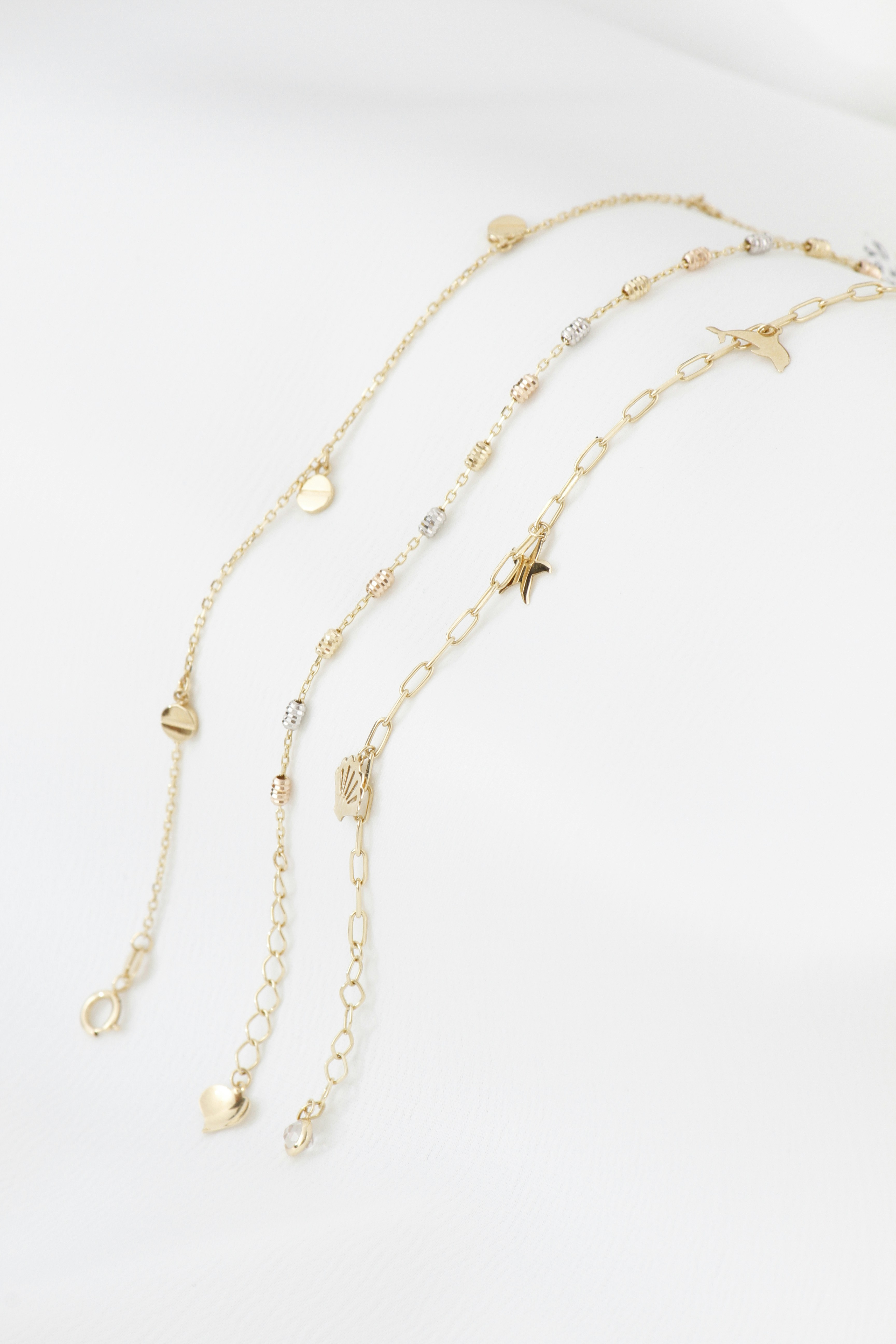
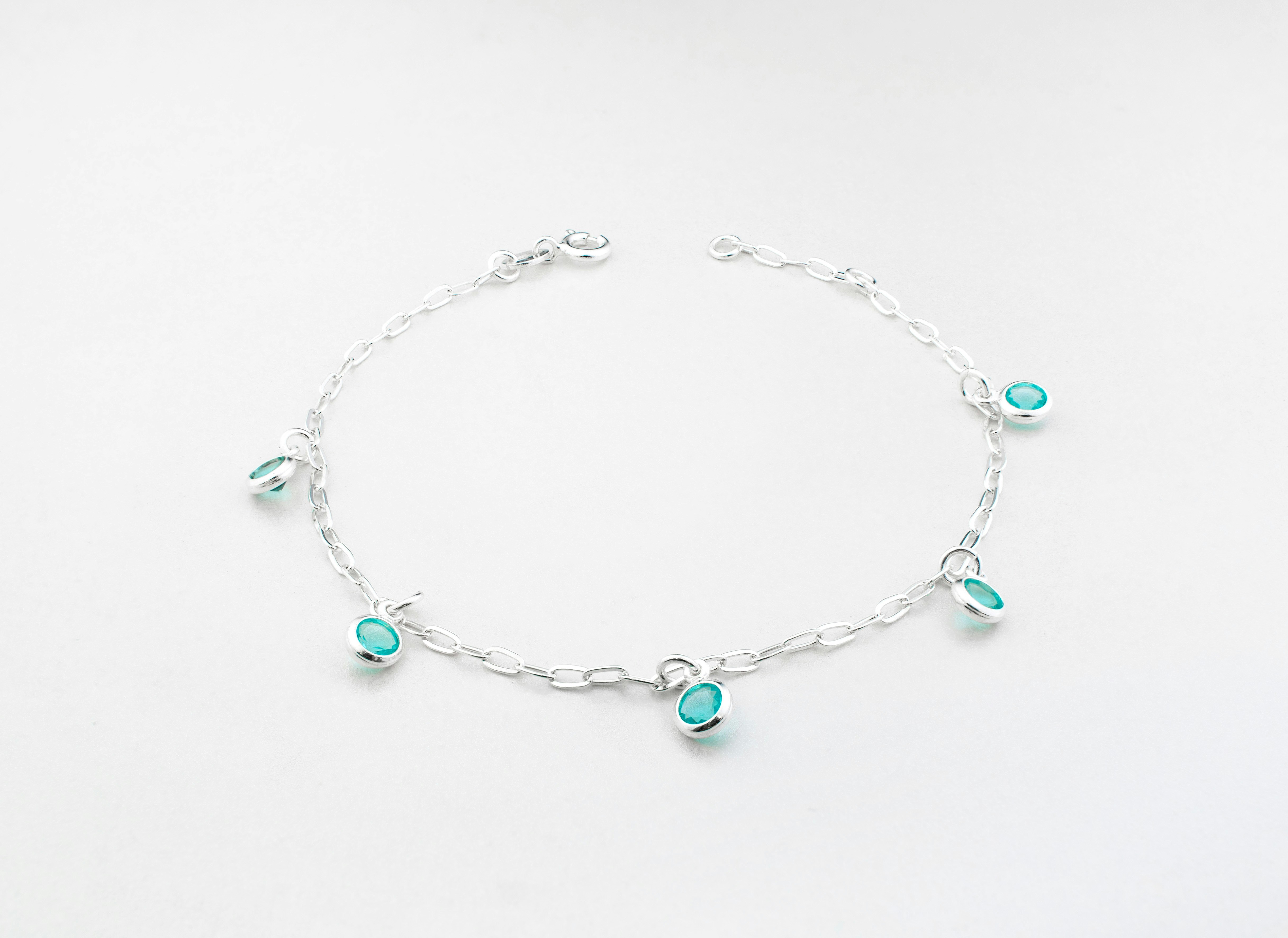
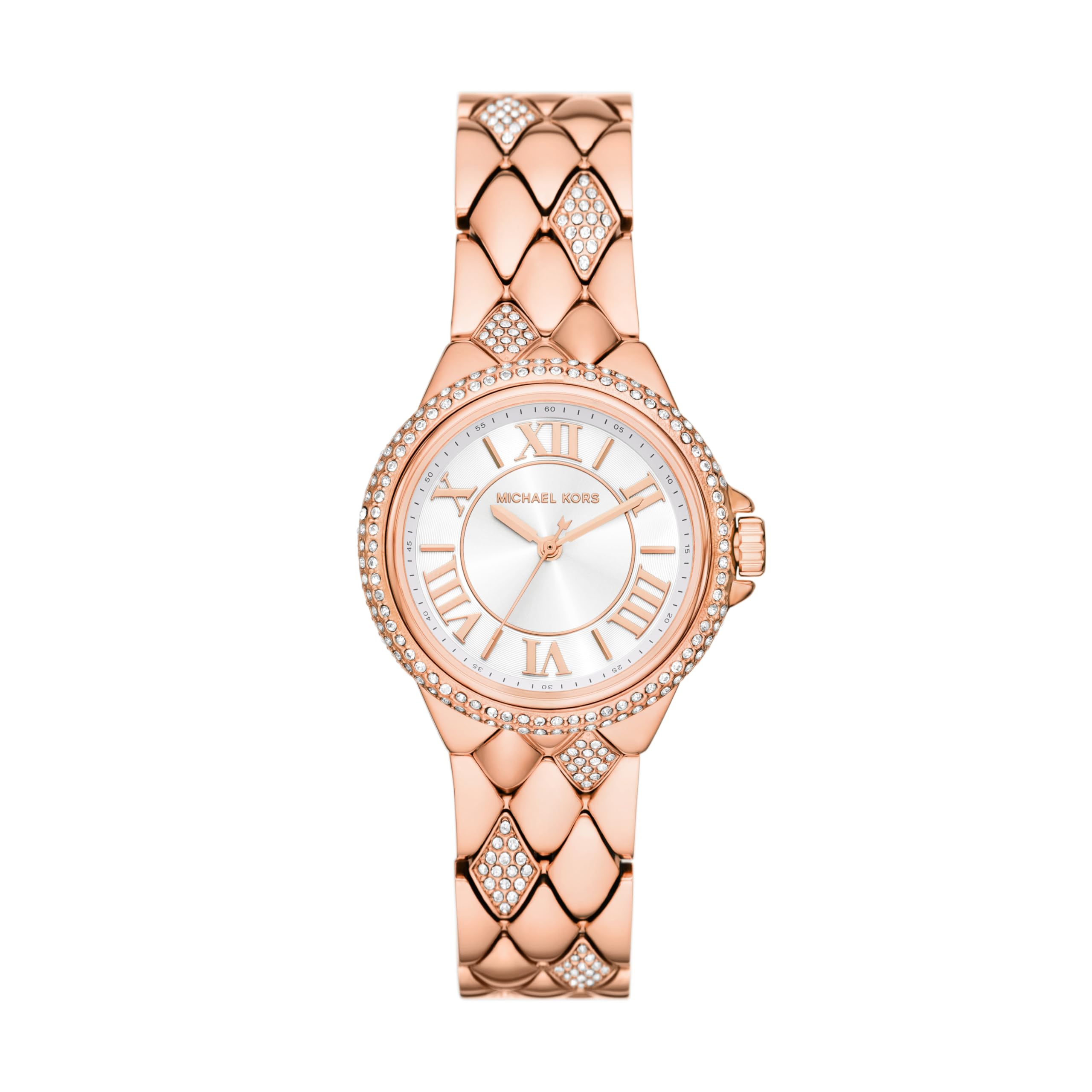
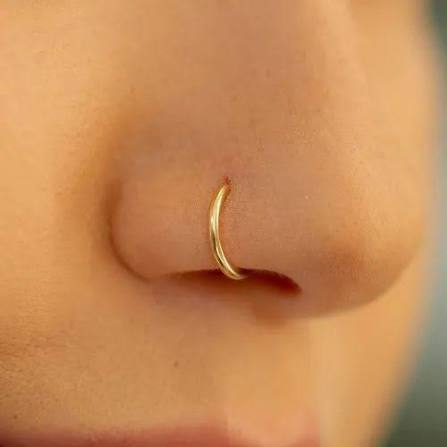
Step 1
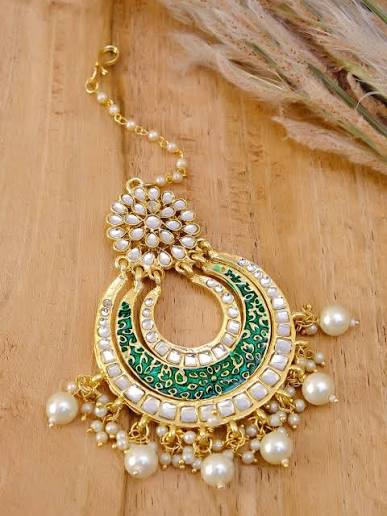
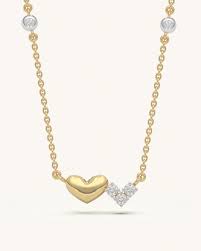
Bring your product photo
Upload a packshot, or sync a whole catalogue from your store. A clean, well-lit shot of the piece is all it takes.
Jewellery virtual try-on
A packshot can’t tell a shopper whether a haram falls at the collarbone or the sternum, or whether a hoop is delicate or dramatic. FashClick places your piece on their own photo — at its true size, exactly where it is worn — and leaves their face, clothes and background untouched.

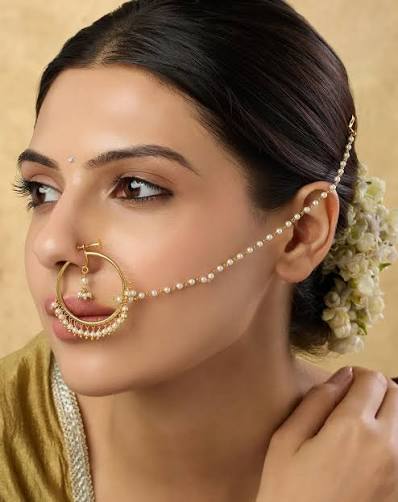
Sample result - upload your photos to try your own
Five free credits when you sign up, no card required. Your photos are used to make your image and nothing else.
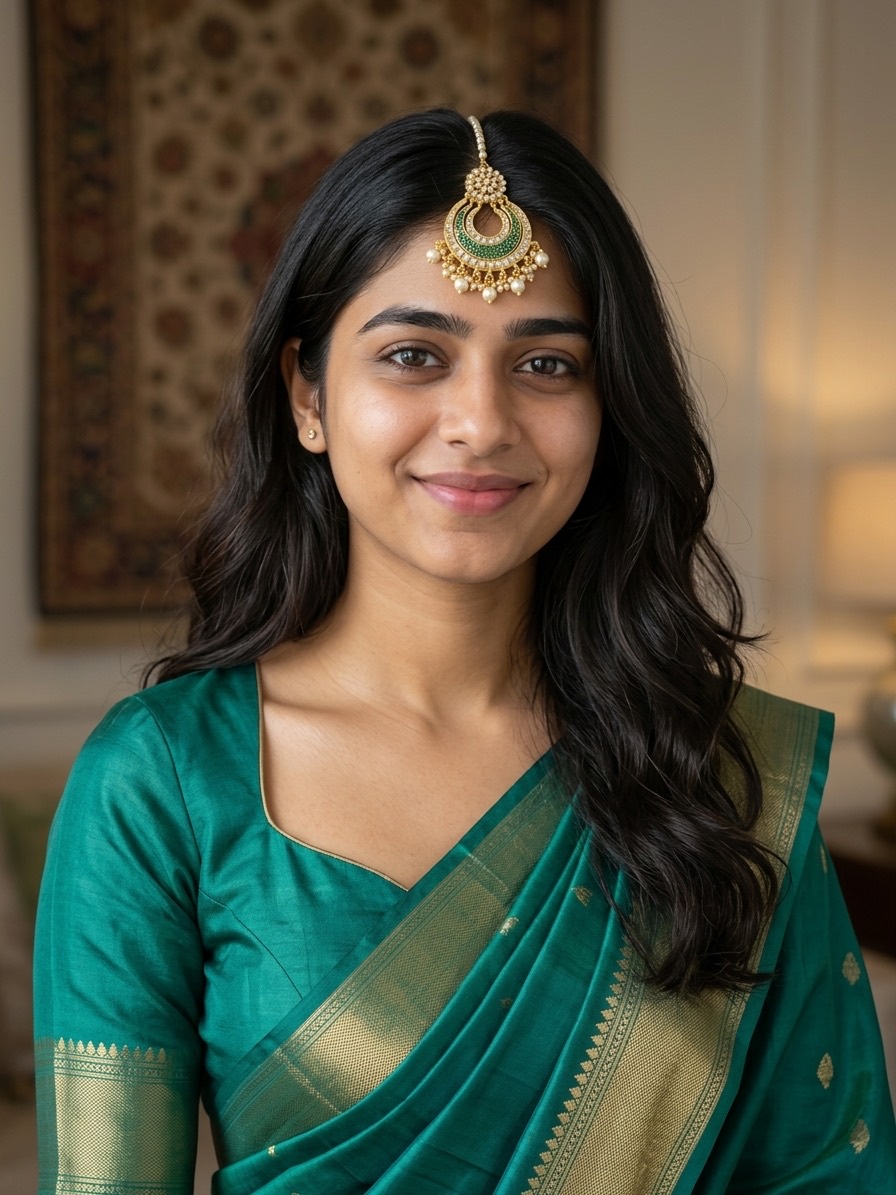
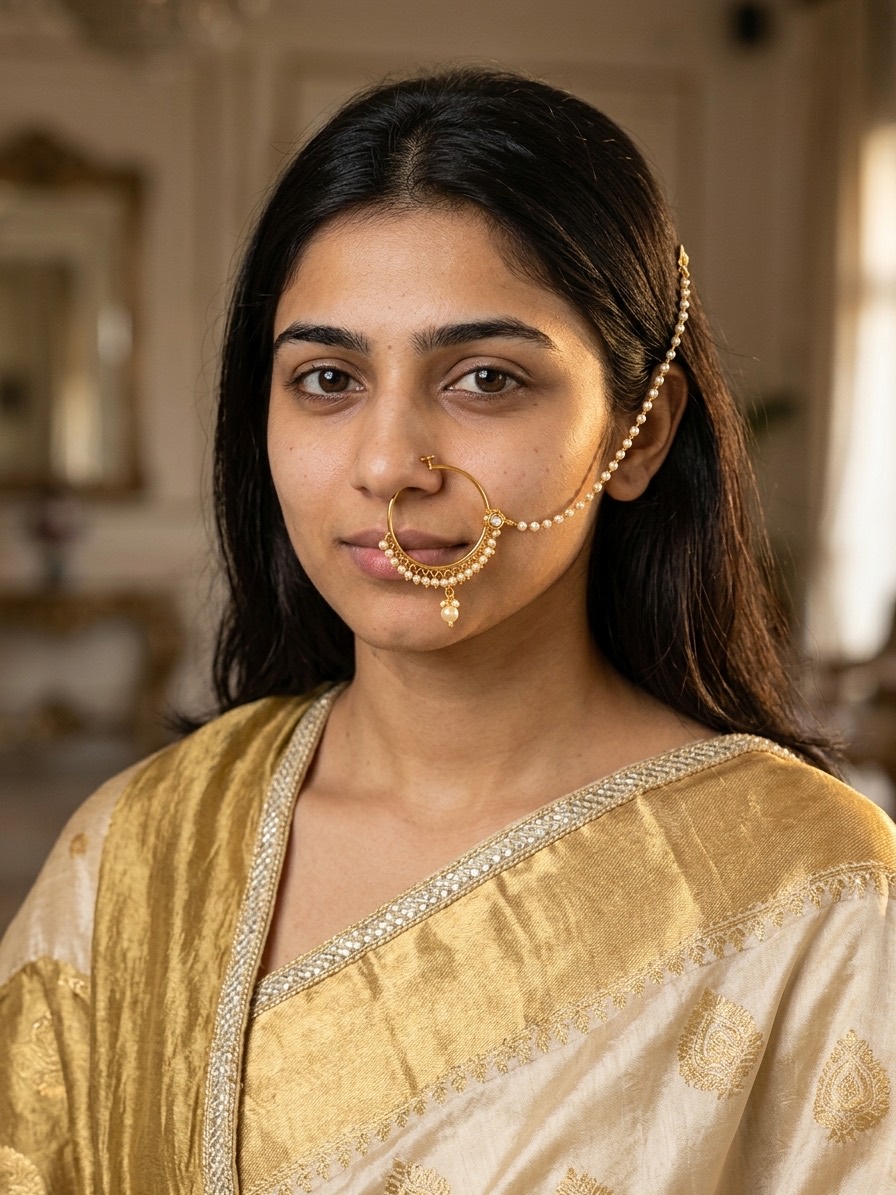

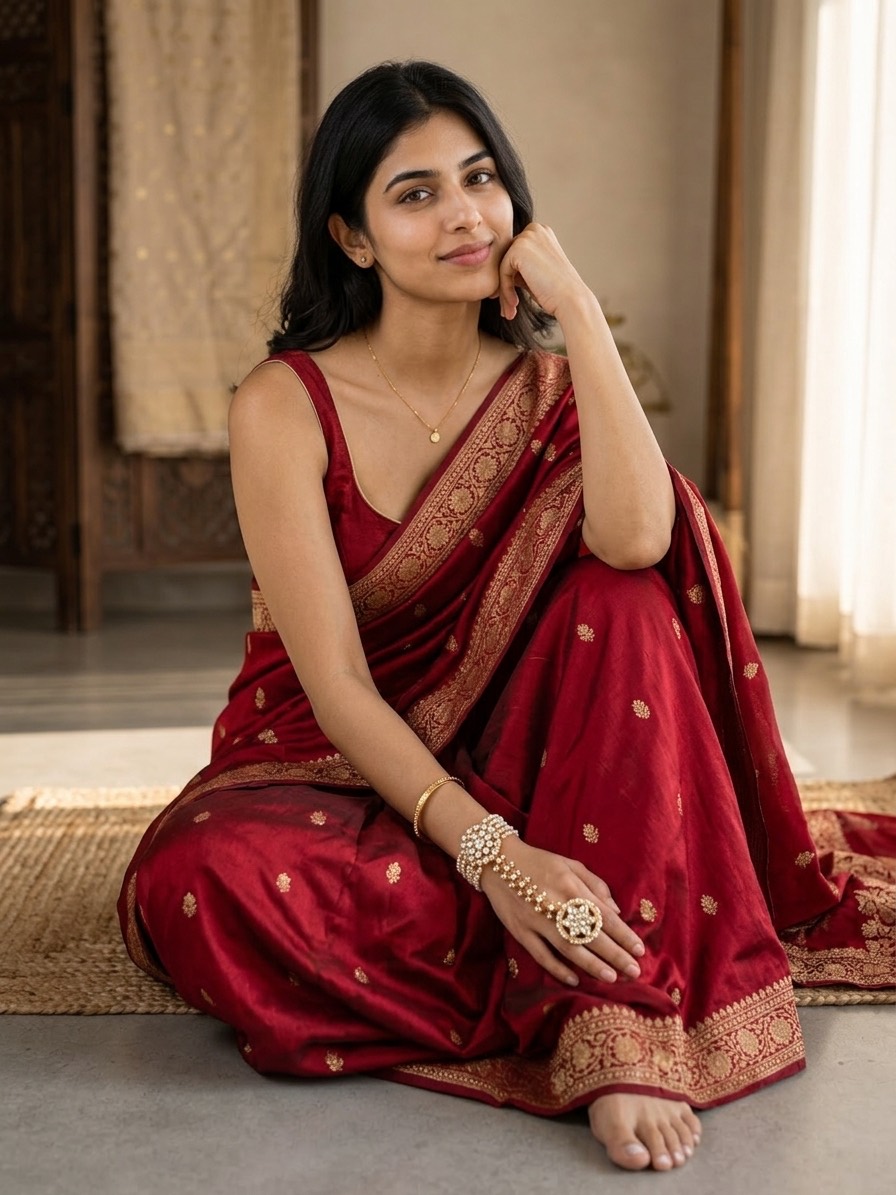

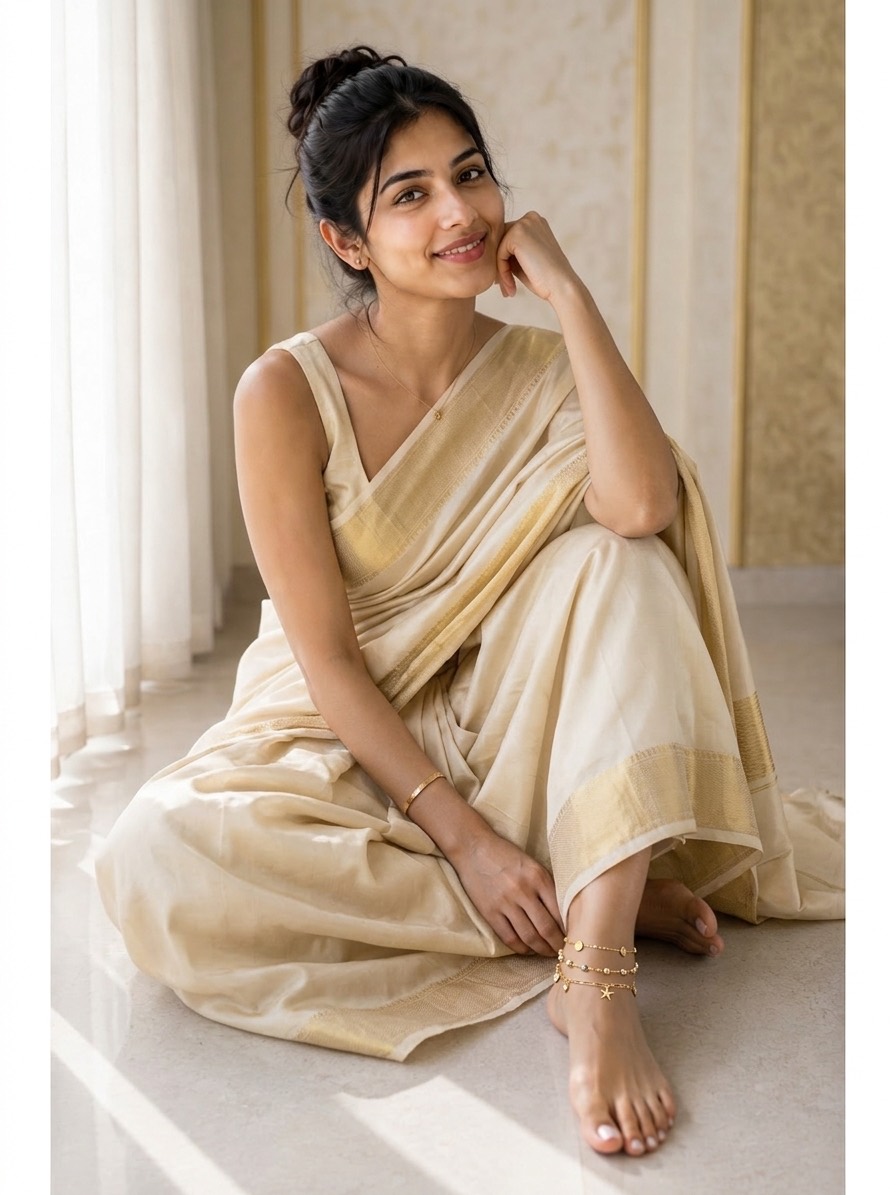
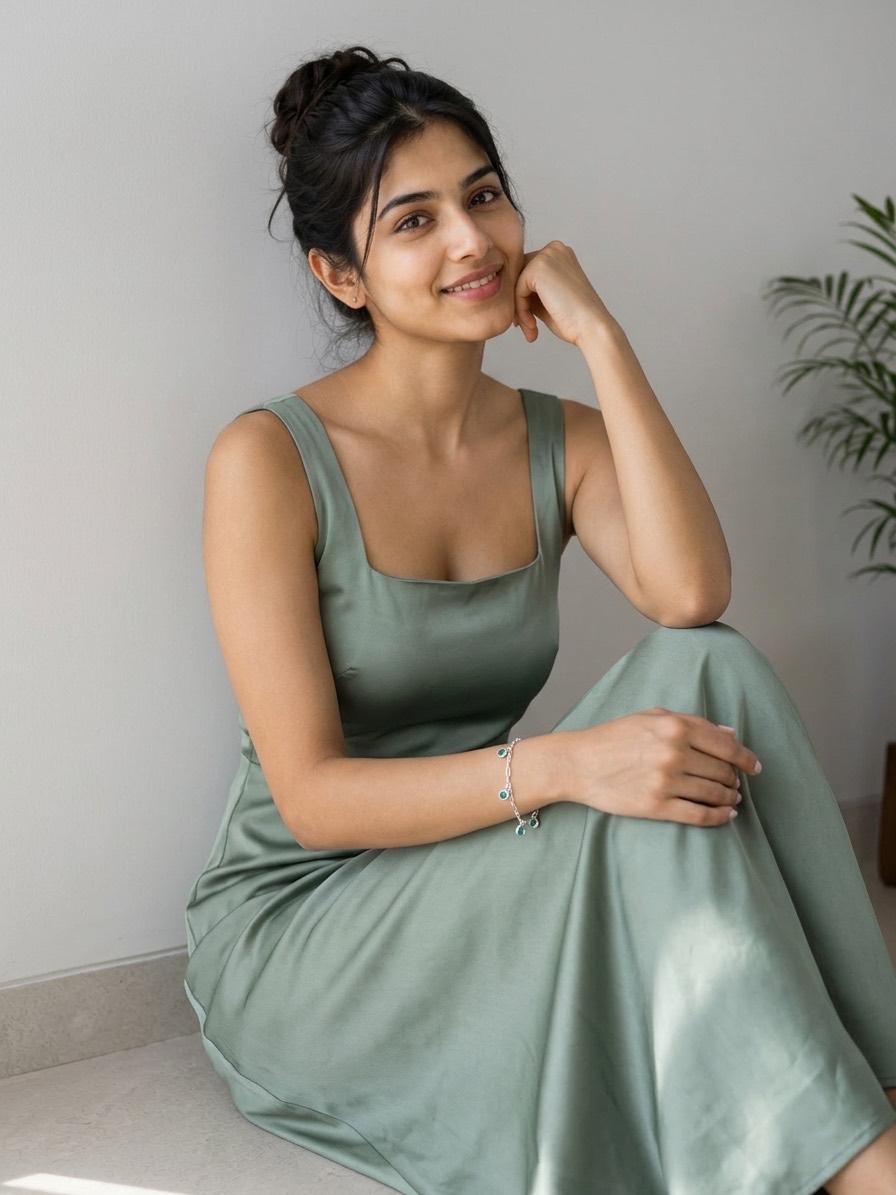
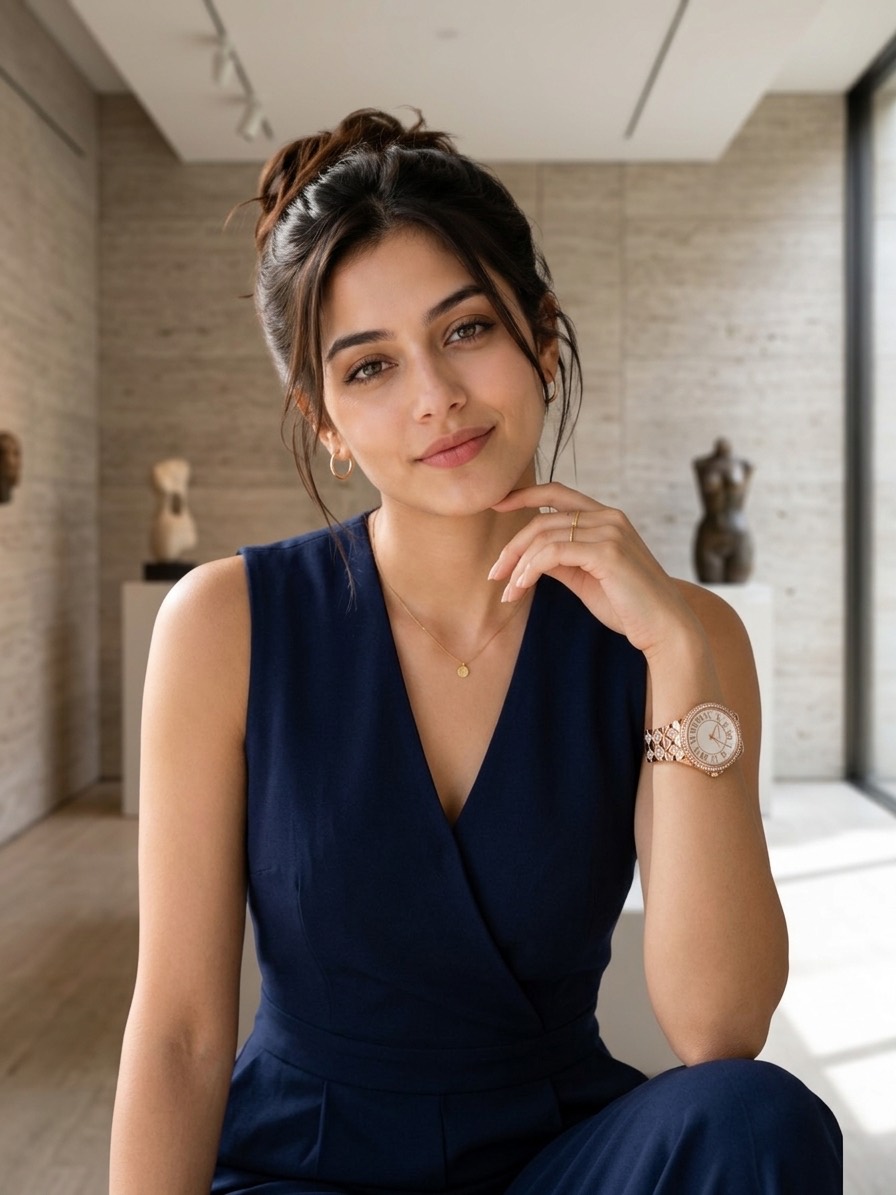

The placement map
Jewellery goes wrong when it floats. Every piece type carries its own anatomical rule and a real-world size, so a helix cuff stays small and high on the ear instead of being blown up across it. Pick an area to see what lands there.
Hover or tap a marker
Not sure which type a product is? Auto reads the piece from your image and places it where that kind of jewellery is actually worn.
Upload a packshot, or sync a whole catalogue from your store. A clean, well-lit shot of the piece is all it takes.
Choker, jhumka, kada, maang tikka — or let Auto identify it. The type is what tells the model where the piece is worn and how big it really is.
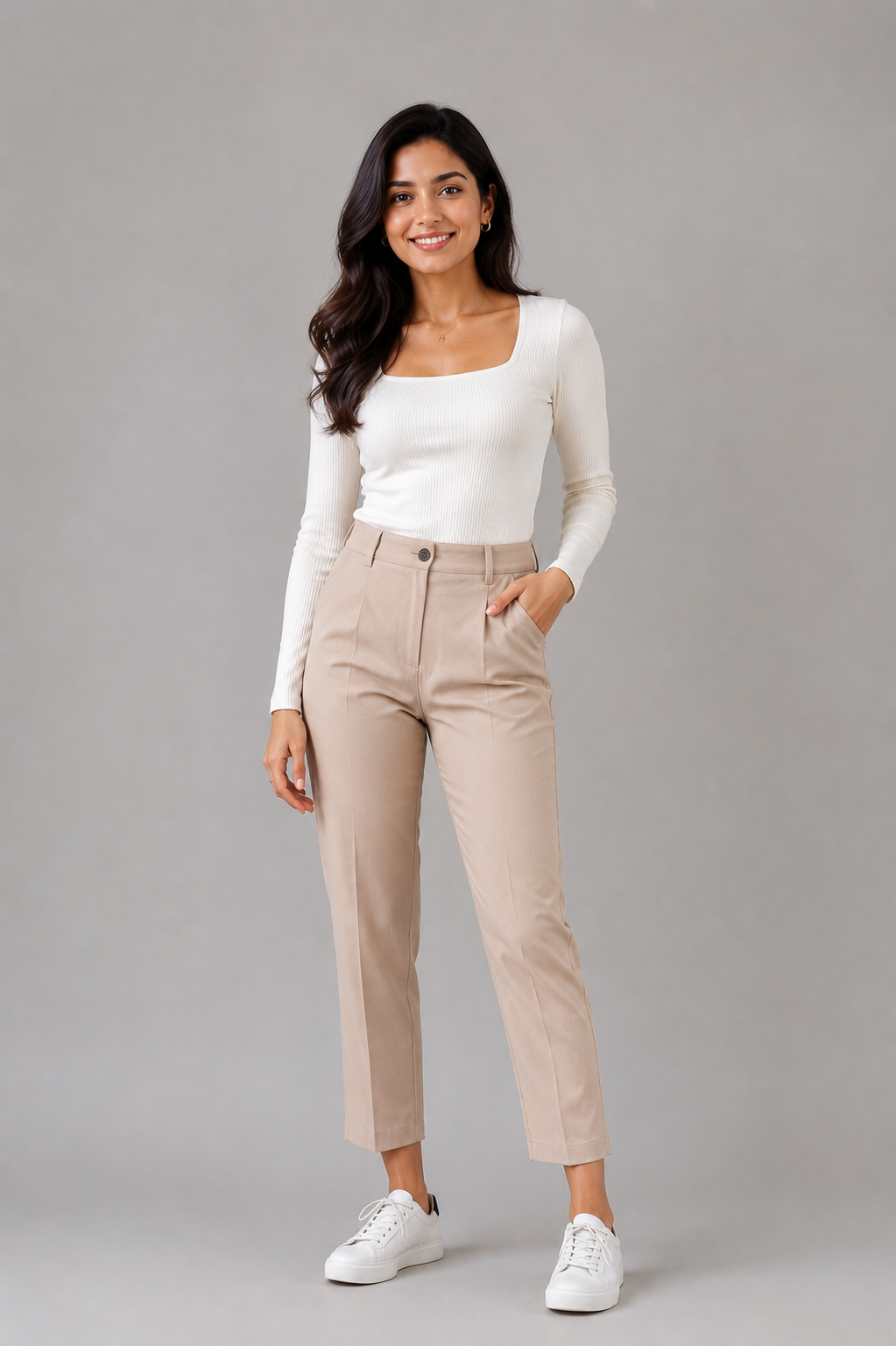
The piece lands where it is actually worn, at true-to-life scale, on the model photo you chose.
Features
Jewellery is small, and small is where try-on usually falls apart — pieces float, double up, or balloon to twice life size. Everything here exists to stop that.
A choker snug at mid-neck, a rani haar low over the chest, a tragus stud on the cartilage flap in front of the ear canal. Every type knows where it belongs.
A nose stud stays tiny; a helix cuff stays compact and high on the ear. Pieces are sized against the shopper’s anatomy, never blown up to fill the frame.
Necklace, jhumka, maang tikka and nath in one generation, so shoppers judge the whole look rather than one item at a time.
Paired pieces are matched across the body, and a bangle set is split between the two wrists instead of being duplicated onto each.
Flip it round and let the outfit and hair change to show the piece off — a rani haar gets a lehenga and an updo, a delicate pendant a V-neck and open hair.
Connect Shopify to sync your catalogue and add a “Try it on” button, or call the API directly for a custom placement.
Read the docs →Start free. Scale as you grow. No hidden fees.
Buy image credits when you need them — from 10p an image. Credits never expire and there is nothing to cancel. Every account starts here with 5 free images.
Working at catalogue scale? A monthly plan adds batch try-on, the outfit builder, regenerations, higher-quality renders and API access — with credits included each month.
Perfect for individual sellers and small shops
£290 billed annually save £58
For growing brands and professional sellers
£590 billed annually save £118
Full power for studios and large catalogues
£990 billed annually save £198
Over 45 piece types across the whole body — necklaces, chokers, mangalsutras and rani haars; studs, hoops, jhumkas, chandbalis and full helix ear stacks; nose rings and septum rings; rings, bangles, kadas and tennis bracelets; maang tikkas, matha pattis and tiaras; anklets, waist chains and brooches. The catalogue deliberately spans Western, Indian and South-Asian, Middle Eastern, African and East-Asian pieces. There is also an Auto mode that identifies the piece from your product image and places it correctly.
No. Jewellery try-on is additive: the shopper's clothing, face and background are preserved and only the jewellery is added. If you want the opposite, "Style My Look" restyles the outfit and hair to complement the piece — a heavy bridal haram gets a lehenga and an updo, a delicate pendant gets a V-neck and open hair — while still preserving identity.
Yes. A multi-piece request places a complete set in a single generation — for example a bridal set of necklace, jhumka, maang tikka and nath — so shoppers see the whole look rather than one item at a time.
Upload a piece, pick a photo, see it worn. Five free credits on signup — no card required.